
Laser Cataract Surgery
Advanced, bladeless cataract surgery for unparalleled precision and customized results.
What is Laser Cataract Surgery?
Laser cataract surgery is an advanced, computer-guided procedure that uses highly precise femtosecond laser technology to assist in removing a cataract and preparing the eye for a new lens. A cataract occurs when the natural lens of the eye becomes cloudy, leading to blurry or dim vision. This modern approach enhances several important steps of the procedure with a level of accuracy that goes beyond traditional manual techniques.
Instead of relying only on handheld surgical instruments, the laser is used to perform some of the most delicate parts of the surgery with exceptional precision. Before the procedure begins, detailed imaging creates a 3D map of your eye. This allows your surgeon to plan the treatment specifically for your unique eye structure.
During the procedure, the laser can:
- Create precise, self-sealing corneal incisions
- Gently soften the cloudy lens (cataract), making it easier to remove
- Help ensure accurate positioning of the new intraocular lens (IOL)
Because the laser can perform these steps with such consistency, it reduces the amount of manual work required and may decrease the amount of energy used inside the eye. This can contribute to a smoother, more controlled procedure.
Overall, laser cataract surgery allows for a more customized and refined approach, giving your surgeon the ability to tailor the treatment to your specific vision needs and improve the potential for optimal visual outcomes.
Advanced Technology You Can Trust
We use advanced femtosecond laser technology designed to bring a higher level of precision and customization to cataract surgery. Before the procedure begins, the system creates a detailed, high-resolution 3D map of your eye. This allows your surgeon to carefully analyze your eye’s unique structure and plan each step of the surgery with accuracy.
This technology enables:
- Detailed imaging of your eye, capturing important measurements and structures
- Precise surgical planning, tailored specifically to your vision needs
- A customized treatment approach, based on your individual anatomy
During the procedure, the laser assists with key steps, helping to improve consistency and accuracy. However, your surgeon remains in complete control at all times, using the laser as a highly advanced tool to enhance precision, not replace surgical skill and experience.
This combination of technology and expertise helps ensure a safer, more personalized approach to your care.
Who Is a Candidate for Laser Cataract Surgery?
Benefits of Laser Cataract Surgery
Enhanced Precision
Computer-guided technology allows for highly accurate performance of critical steps, improving consistency throughout the procedure.
Improved Lens Positioning
Greater accuracy helps ensure optimal placement of intraocular lenses (IOLs), which is especially important for patients choosing premium lens options.
Reduced Energy in the Eye
The laser softens the cataract before removal, which may reduce the amount of ultrasound energy needed and support a gentler procedure.
Customized Treatment Approach
Each procedure is tailored using detailed imaging of your eye, allowing for a more personalized surgical plan.
Better Astigmatism Management
Precise laser incisions can help correct astigmatism, leading to clearer and more balanced vision after surgery.
Improved Visual Outcomes
What to Expect During Laser Cataract Surgery
Laser cataract surgery is a carefully planned and guided procedure designed to maximize precision, comfort, and visual outcomes. Each step is tailored to your eye using advanced imaging and technology.
Here’s how the process typically works:
- 3D Eye Mapping
Before the procedure begins, detailed imaging creates a highly accurate, 3D map of your eye. This allows your surgeon to design a personalized surgical plan based on your unique anatomy. - Laser-Assisted Steps
The femtosecond laser is then used to perform some of the most delicate parts of the surgery, including creating precise incisions and softening the cataract. This helps improve accuracy and reduce the amount of energy needed during removal. - Cataract Removal
The clouded natural lens is gently broken up and removed from the eye using advanced techniques designed to be both safe and efficient. - Lens Implantation
A clear artificial intraocular lens (IOL) is carefully placed in the same position as your natural lens to restore clarity and improve vision.
The entire procedure is typically quick and performed on an outpatient basis, meaning you can return home the same day. Most patients experience minimal discomfort and begin noticing visual improvement shortly after surgery.
What to Expect After Surgery
Recovery after laser cataract surgery is usually smooth and very similar to traditional cataract surgery. Most patients are pleasantly surprised by how quickly they begin to notice improvements in their vision.
Here’s what you can typically expect:
- Minimal Discomfort
You may experience mild irritation, dryness, or light sensitivity for a short time after the procedure, but this usually improves quickly. - Gradual Vision Improvement
Many patients notice clearer vision within a few days, with vision continuing to improve as the eye heals over the following weeks. - Follow-Up Care
You’ll have scheduled follow-up visits so your doctor can monitor your healing and ensure everything is progressing as expected. - Healing Timeline
While most daily activities can be resumed fairly quickly, your eye may take a few weeks to fully stabilize.
Your final visual outcome will depend on several factors, including your overall eye health and the type of intraocular lens (IOL) chosen. Your doctor will guide you through the recovery process and provide personalized instructions to help you achieve the best possible results.
Traditional vs Laser Cataract Surgery
Laser vs. Traditional Cataract SurgeryUnderstanding the difference between traditional and laser-assisted cataract surgery can help you feel more confident when choosing the right option. Both techniques are safe and effective but differ in how certain steps of the procedure are performed. |
|
| Technique | Key Features & Approach |
|---|---|
|
Traditional Cataract Surgery Manual · Time-tested |
In traditional cataract surgery, your surgeon performs key steps manually using specialized instruments. This method has been used successfully for many years and delivers excellent results.
|
|
Laser Cataract Surgery Femtosecond laser · Image-guided |
Laser-assisted cataract surgery uses advanced technology to enhance precision and customization during the procedure.
|
| Evidence-based overview | Consult Cali Eye Institute for personalized advice | |
Choosing the right lens is just as important as the procedure itself. We offer a range of intraocular lenses designed to address different vision needs, including options that may reduce dependence on glasses.
Serving Torrance, Lancaster & Ventura
Cali Eye Institute is proud to offer advanced cataract care across multiple locations in Southern California, making it easier for patients to access expert treatment close to home.
- Torrance – Cali Eye Institute
- Lancaster – Lancaster Eye Institute
- Ventura – Anacapa Vision
Across all locations, our experienced ophthalmologists use the latest technology, including laser-assisted techniques, to provide precise, personalized care. We focus on understanding your unique vision needs and guiding you through every step of the process to help achieve the best possible outcome.
Office Information
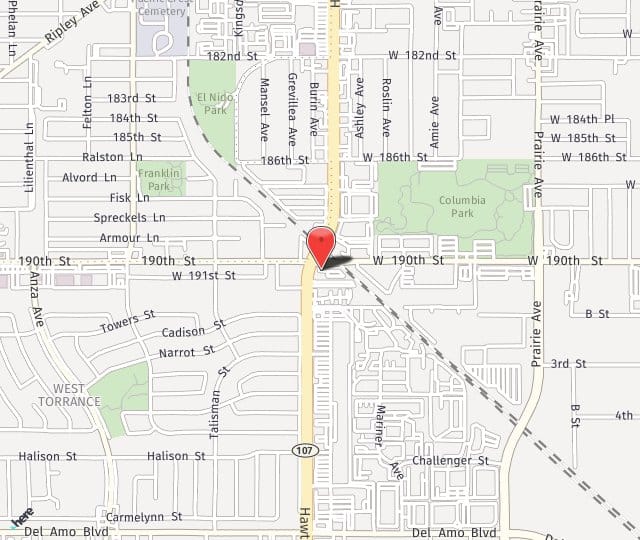
Torrance, CA
19000 Hawthorne Blvd, Suite 100
Torrance, CA 90503
Tel: 310-909-8880
Office Hours
Monday-Thursday: 8:30am-5:00pm
Friday: 8:30am-4:30pm
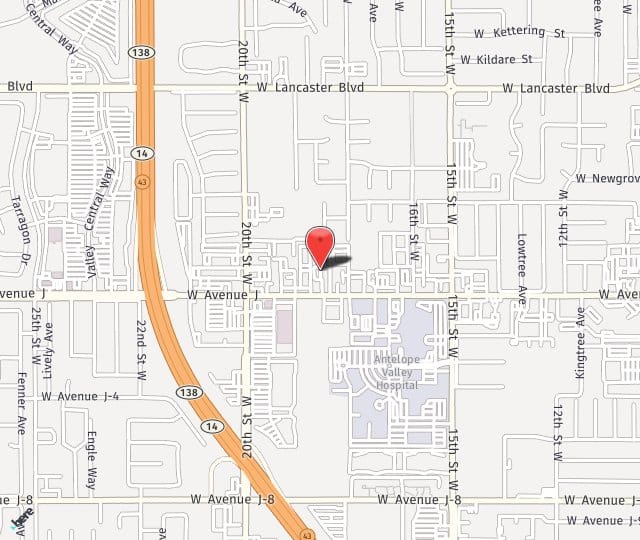
Lancaster, CA
1739 W Avenue J
Lancaster, CA 93534
Tel: (661) 940-0555
Office Hours
Monday - Thursday: 8:30am-5:00pm
Friday: 8:30am-4:30pm
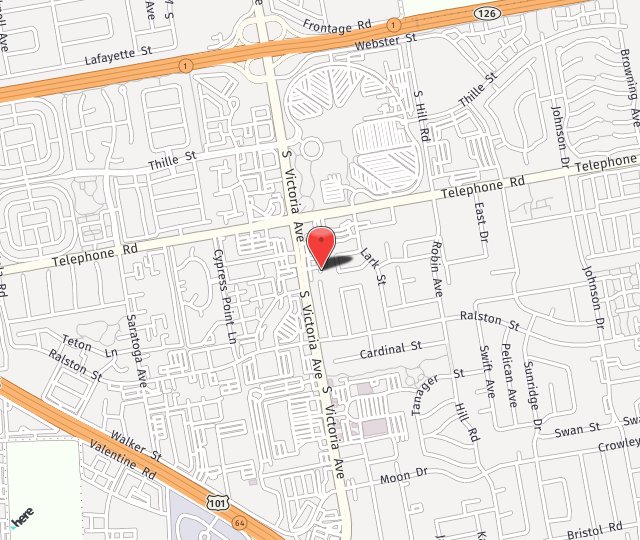
Ventura, CA
1280 S. Victoria Ave., Ste. 160
Ventura, CA 93003-6504
Tel: (805) 658-3937
Office Hours
Mondays and Fridays: 8am-3pm
Tuesdays - Thursday: 8am-4pm
Why Choose Cali Eye Institute for Laser Cataract Surgery
Advanced Laser Technology
We use state-of-the-art femtosecond laser systems and modern diagnostics to enhance accuracy and improve surgical outcomes.
Experienced Surgical Expertise
Led by Dr. Babak Shabatian, our team has extensive experience in cataract surgery and advanced vision correction, ensuring trusted, high-quality care.
Personalized Treatment Plans
Your vision needs are unique. We customize every treatment plan based on your eye health, lifestyle, and long-term goals.
Optimized for Premium Lens
Our precision-focused approach is especially beneficial for patients choosing advanced intraocular lenses (IOLs) for better visual results.
Convenient Locations
With offices in Torrance, Lancaster, and Ventura, accessing expert laser cataract care is simple and convenient.
Guidance from Start to Finish
What Our Patients Are Saying:
We Are Members of:
Frequently Asked Questions
Is cataract surgery better with laser?
Laser cataract surgery, like the LenSx® procedure at Cali Eye, allows for a higher level of precision and customization than traditional cataract surgery. The bladeless femtosecond laser creates highly accurate incisions and fragments the lens with extreme precision, which can improve outcomes and the positioning of your artificial lens.
What is laser cataract surgery?
Laser cataract surgery uses the LenSx® femtosecond laser to perform key steps of the procedure, including creating incisions, fragmenting the clouded lens, and opening the lens capsule. This technology is guided by 3D imaging, ensuring a tailored, precise, and efficient surgery.
How is laser cataract surgery performed at Cali Eye?
During the procedure, your eyes are first measured to select the best artificial lens. A liquid-filled ring centers the laser beam, and the femtosecond laser completes most steps in less than a minute. The surgeon supervises every step while the clouded lens is fragmented and removed, and the new lens is inserted through tiny self-sealing incisions.
Is cataract surgery covered by insurance?
Most medical insurance plans and Medicare cover standard cataract surgery. Premium lenses or laser technology may involve additional cost options, which we’ll review with you in advance.
How painful is laser cataract surgery?
Laser cataract surgery is virtually painless. Numbing eye drops are applied before the procedure, and the laser does not physically touch the eye. Patients generally report a comfortable experience throughout the surgery.
What is the success rate of laser cataract surgery?
Laser cataract surgery has a high success rate, comparable to or exceeding traditional cataract surgery, especially in terms of precision and accurate lens placement, which can improve visual outcomes.
Who is not suitable for laser cataract surgery?
Not every patient is a candidate. Those with certain eye conditions, such as extreme corneal irregularities, severe cataracts, or other ocular diseases, may not be suitable. Your surgeon at Cali Eye will evaluate your eyes during a preoperative examination to determine the best approach.
What is the best age for laser eye surgery?
Laser cataract surgery is typically performed when cataracts affect vision and quality of life, often in patients over 60. The procedure is safe for adults of varying ages, depending on their eye health and needs.
What is the recovery time after laser cataract surgery?
Most patients notice improved vision within a few days, though complete healing may take a few weeks. Your doctor will provide post-operative care instructions to ensure optimal recovery and prevent complications.
Are the incisions from laser cataract surgery different from traditional surgery?
Yes. The femtosecond laser creates tiny, precise incisions that usually do not require sutures. These self-sealing incisions reduce the risk of infection and promote faster healing.
How is the artificial lens positioned during laser cataract surgery?
The laser creates a perfectly circular opening in the lens capsule, allowing precise placement of the artificial intraocular lens. Accurate lens positioning is critical for optimal vision outcomes, and the LenSx® Laser ensures this with advanced imaging and guidance.